The Mistborn Saga · the world
The World of Scadrial
One planet seen twice, three centuries apart: a world of ash and mist under an immortal emperor, then a green basin of railways, revolvers and skyscrapers, and the same sixteen metals under both.
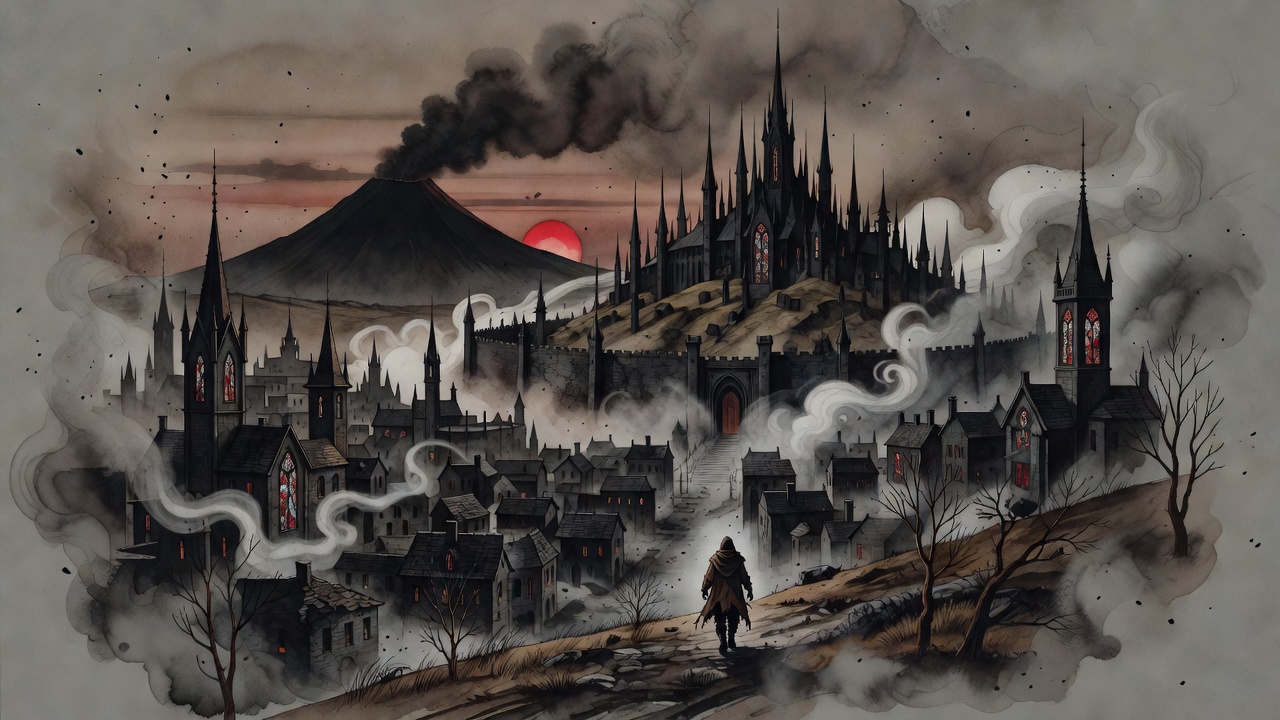
Scadrial is the world of Brandon Sanderson’s Mistborn Saga, and the saga shows it twice. Era One — The Final Empire, The Well of Ascension and The Hero of Ages (2006–2008), with the novella Secret History running underneath them — is a world of ash, mist and an immortal emperor a thousand years on his throne. Era Two — the four Wax and Wayne books (2011–2022) — jumps some three centuries ahead into the green world that replaced it: railways, revolvers and the first skyscrapers, then motorcars, radio and airships. It all grew from a question Sanderson asked himself: “What if the Dark Lord won?”
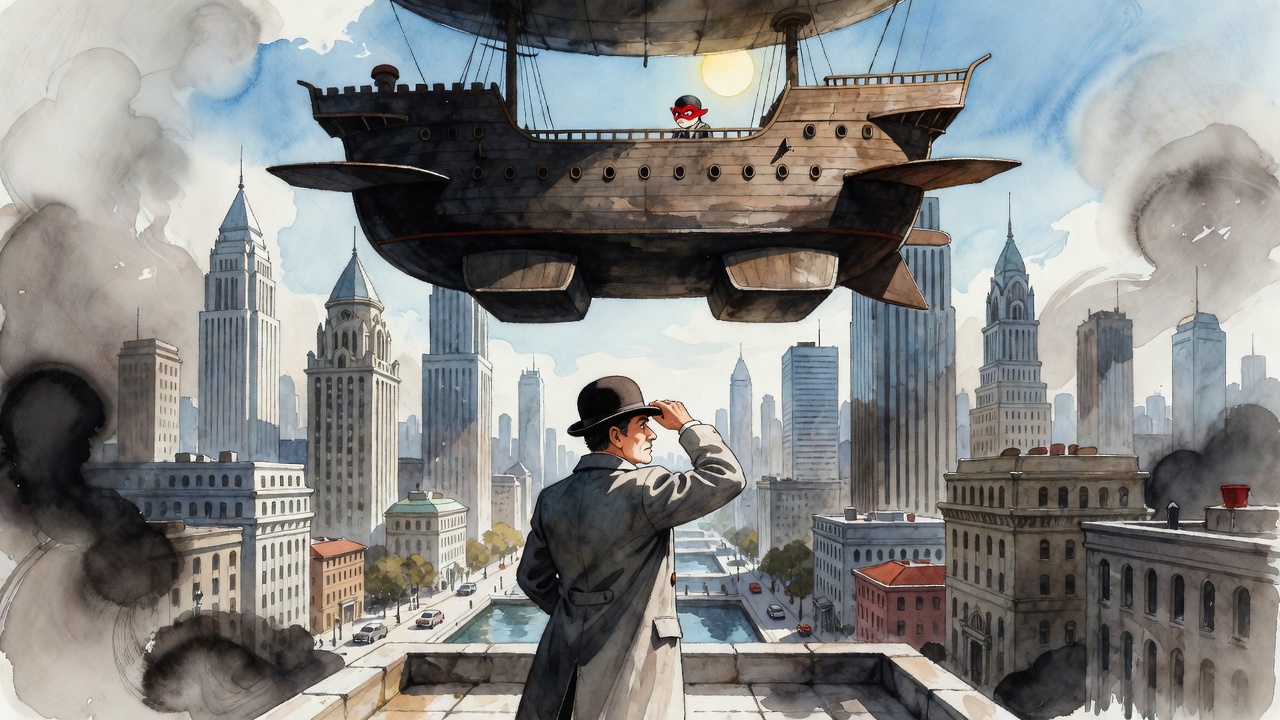
This page is the reference shelf: the three Metallic Arts and the sixteen metals they share, the gods behind them, and the two maps, the Final Empire’s and the Elendel Basin’s. The diagram sets out the Allomantic table; the table at the foot of the page gives every metal in all three arts. The frames show places and the magic made visible; the book pages carry the plots.
Like the whole companion, it spoils everything, the endings of both eras included.
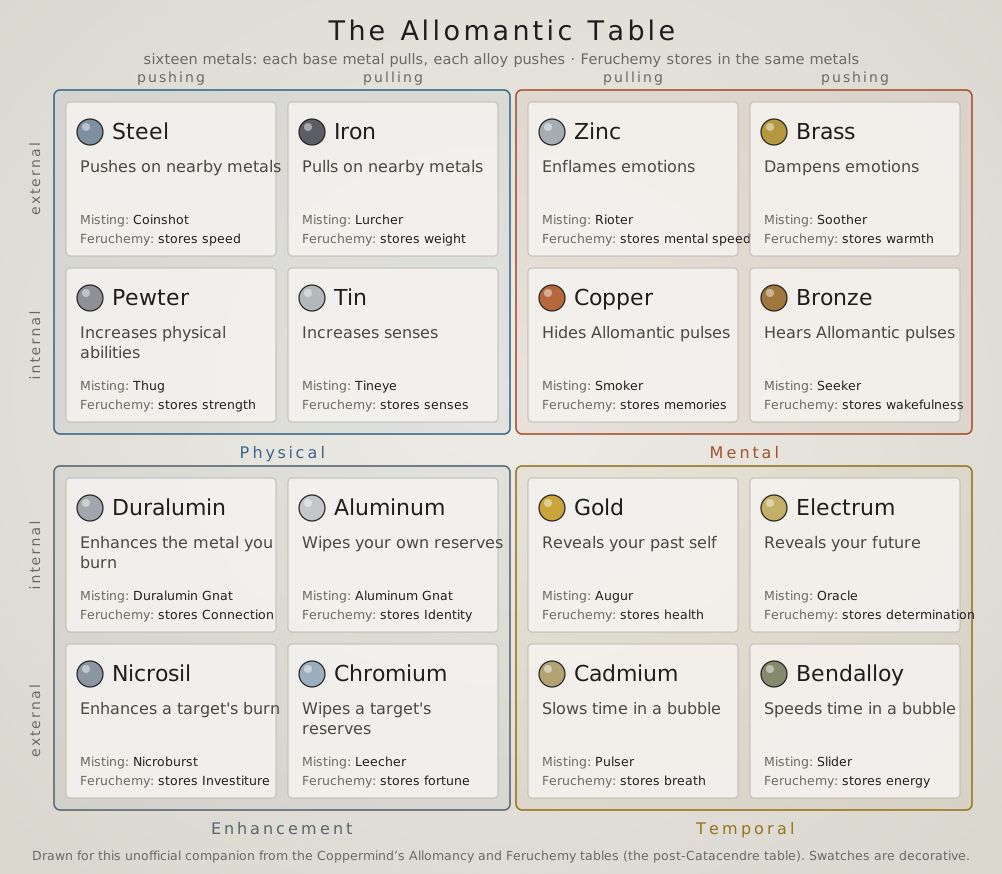
The Allomantic table as Era Two prints it (the Ars Arcanum of The Alloy of Law, as the Coppermind gives it): every base metal Pulls and every alloy Pushes. Most people in the Final Empire knew of only ten metals — the physical and mental eight, gold and atium — and Feruchemy and Hemalurgy use the same sixteen, set out in the table further down.
One world, two eras
Two gods made Scadrial together. Ruin and Preservation are two of the sixteen Shards into which an older god’s power was broken, and they built the planet and its people as partners: Preservation wanted thinking life, and Ruin was promised that one day he could destroy it. Preservation broke the bargain, sealed Ruin away, and left the Terris a prophecy of a Hero of Ages.
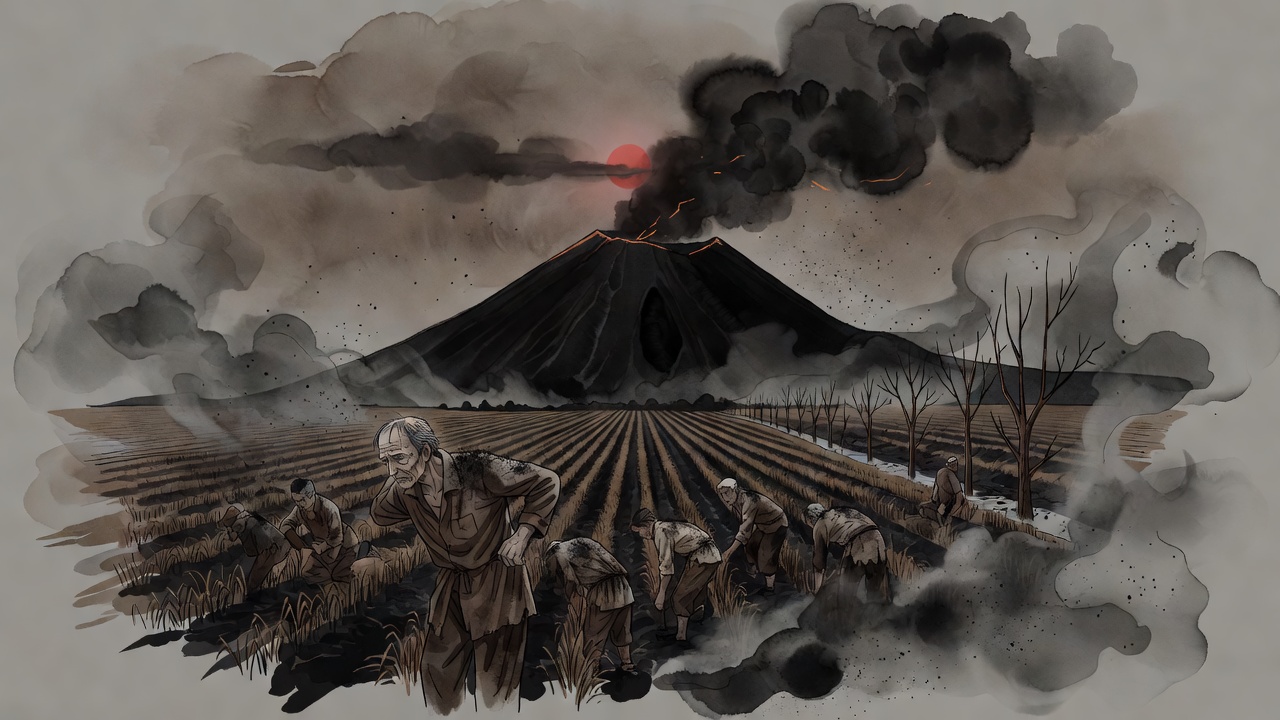
A thousand years before The Final Empire, as the mists began to linger into the day, Alendi, the man believed to be the Hero, marched to the Well of Ascension, and his Terris packman, Rashek, killed him there and took the power himself. Rashek’s rescue did the damage. He pulled the planet closer to the sun to burn the mists away, left it too close, and raised the Ashmounts to thicken the air with smoke and ash; most of the world became desert, the sun turned red and the plants brown. He remade people into nobles and skaa, set a few aside unaltered far to the south, and ruled as the Lord Ruler, immortal, for a thousand years.
Era One opens in the world he made — “Ash fell from the sky.” — and spends three books breaking it. Kelsier’s crew brings down the Lord Ruler; Vin releases the Well’s power and, without knowing it, frees Ruin; in The Hero of Ages the world ends in ashfall, mist and earthquake until Sazed takes up both gods’ power and remakes it. Scadrial calls that the Catacendre, “the end of the ash”: the planet moves back from the sun, the sky turns blue and the plants green, and the one new thing on the map is the Elendel Basin. Era Two counts its years from there — The Alloy of Law is set in 341 PC (post-Catacendre), The Lost Metal in 348 — under months named for Kelsier’s crew, Vinuarch, Doxil and Hammondar among them, with the trilogy’s heroes turned to saints and statues.
Allomancy
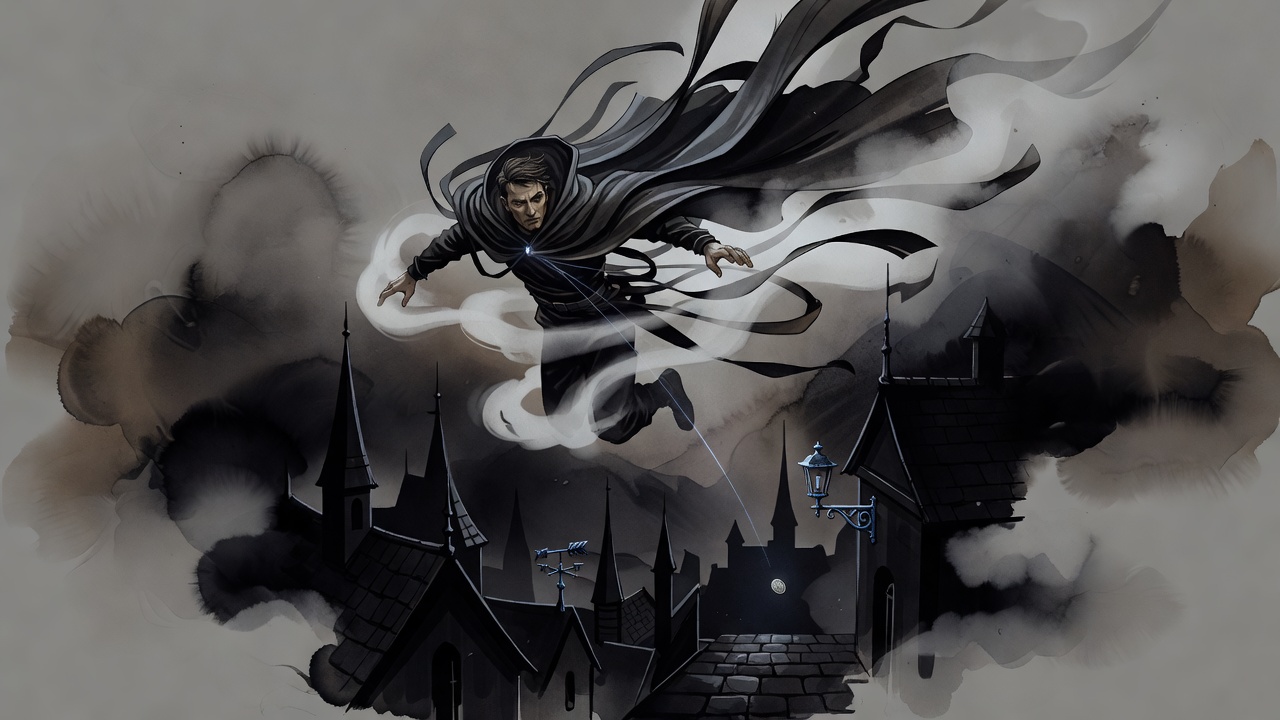
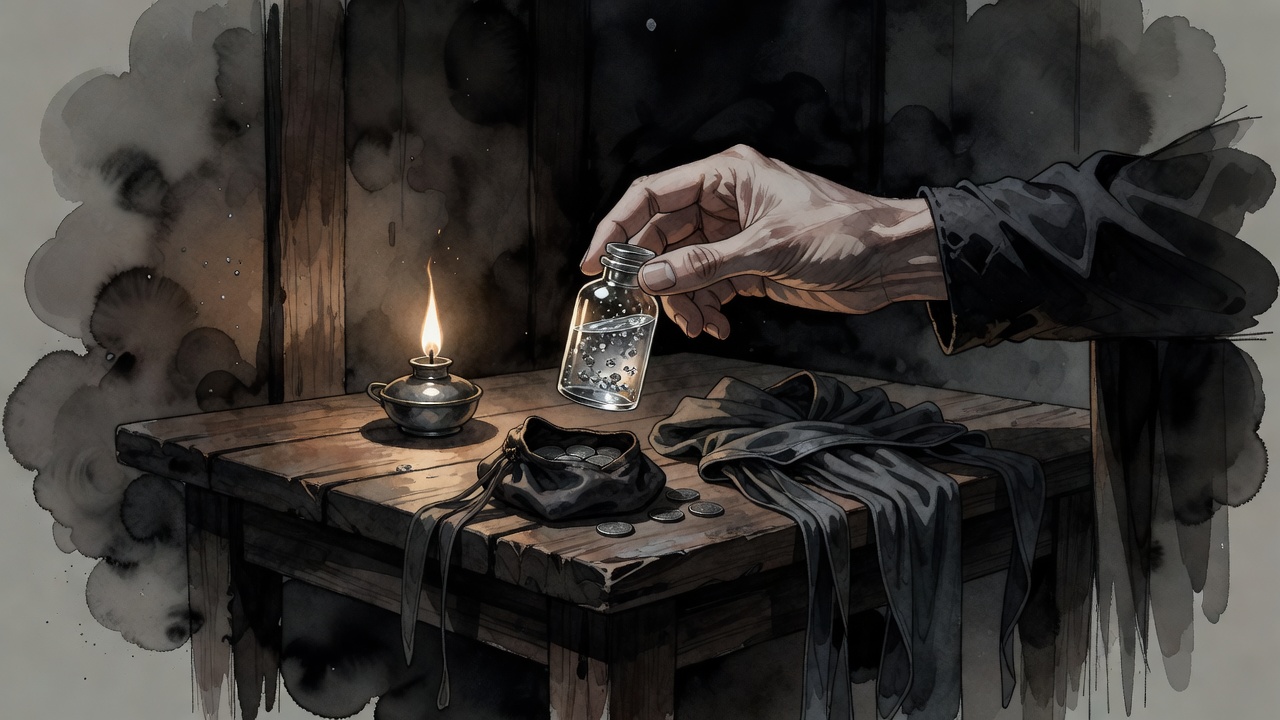
Allomancy is the art the saga opens with. An Allomancer swallows metal, usually flakes suspended in alcohol in a small glass vial, and burns it, drawing power from Preservation with the metal as its focus. Each metal does one thing, and Kelsier gives Vin the rule: “There are two metals for every power. One Pushes, one Pulls” — and the second is usually an alloy of the first. Eight basic metals work on nearby metal, on the body and senses, on emotions and on the detection of Allomancy itself; eight higher metals strip or boost a burner’s metals, show the burner’s past or future selves, or bend time inside a bubble. The diagram and the table give each one. Iron and steel are the powers the saga shows most: blue lines run from the burner’s chest to every nearby piece of metal, and a Coinshot drops a coin and Pushes off it to fly. Aluminum cannot be Pushed or Pulled at all, so Era Two makes bullets of it and lines hats with it against Soothers and Rioters.
The gift is inherited and sleeps until a person Snaps under trauma, which is why Final Empire nobles beat their children to test them. It runs in noble blood; a skaa carries it only with a noble in the previous five generations, which is how half-skaa Vin and Kelsier come to be Mistborn. A Misting burns one metal; a Mistborn burns them all. The Steel Ministry kept the higher metals secret, so most people in the Final Empire know of only ten: the basic eight, gold and atium. By Era Two the bloodlines have thinned, Mistborn are legends and Mistings commoner, and where Terris and noble families have married there are Twinborn, with one Allomantic and one Feruchemical power: Wax is a Coinshot and a Skimmer, Wayne a Slider and a Bloodmaker.
Feruchemy
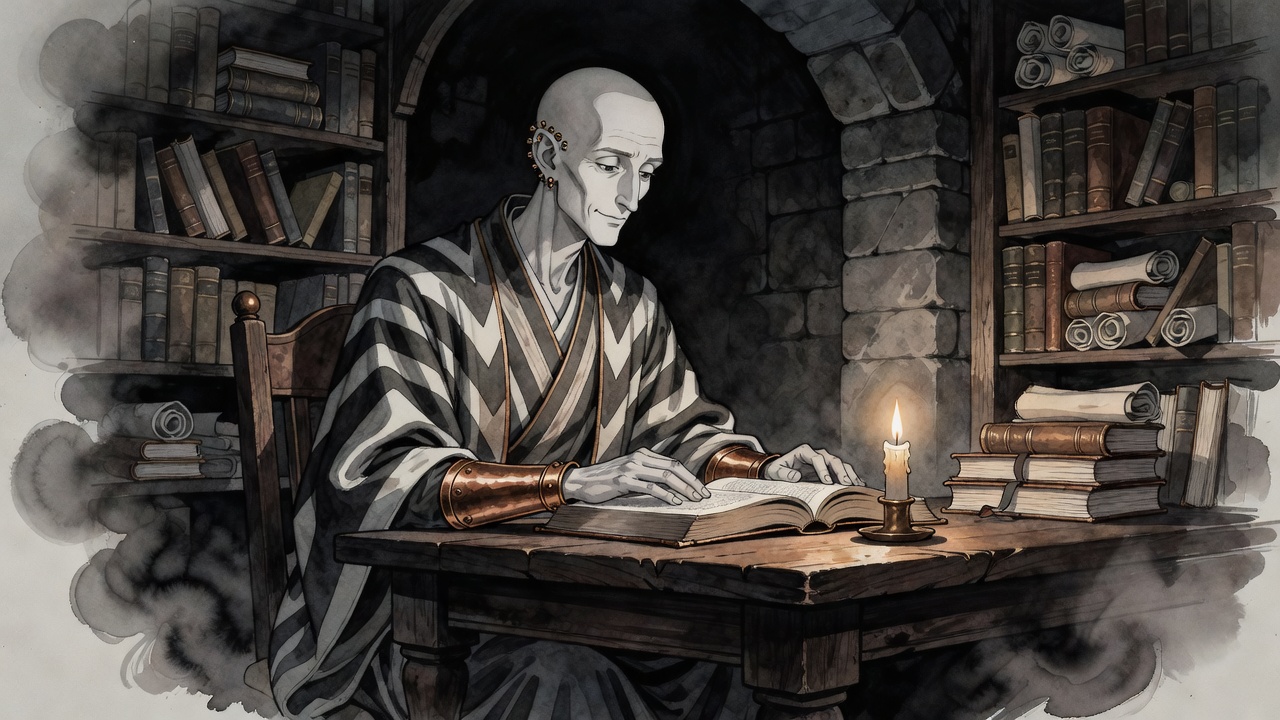
Feruchemy is the Terris art and the art of balance: nothing is gained, only moved through time. A Feruchemist stores an attribute in metal worn against the skin — a metalmind, usually a bracer, ring or earring — by living without it for a while, and taps it back later: store weight in iron and you go light, tap it and you grow heavy. Steel holds speed, pewter strength, gold health and copper memory, and each of the sixteen metals holds something. A metalmind is normally keyed to the one who filled it.
The Lord Ruler, a Terris Feruchemist himself, spent his reign breeding the art out of the Terris, whose stewards in noble households were castrated; the Keepers survived in secret, storing human knowledge in copperminds. Sazed is a Keeper, carrying more than five hundred religions, most of them long dead, and, in the end, what he needs to rebuild the world. Someone with the same metal in both arts can Compound it, burning their own metalmind for far more than they stored: Rashek Compounds atium to stay young for a thousand years, and in The Alloy of Law the outlaw Miles Hundredlives Compounds gold and heals almost anything. The South takes the art furthest of all, with medallions — unsealed metalminds, made with nicrosil, that anyone can tap — and the Bands of Mourning, a spearhead woven of every metal that grants every power at once.
Hemalurgy and the spikes
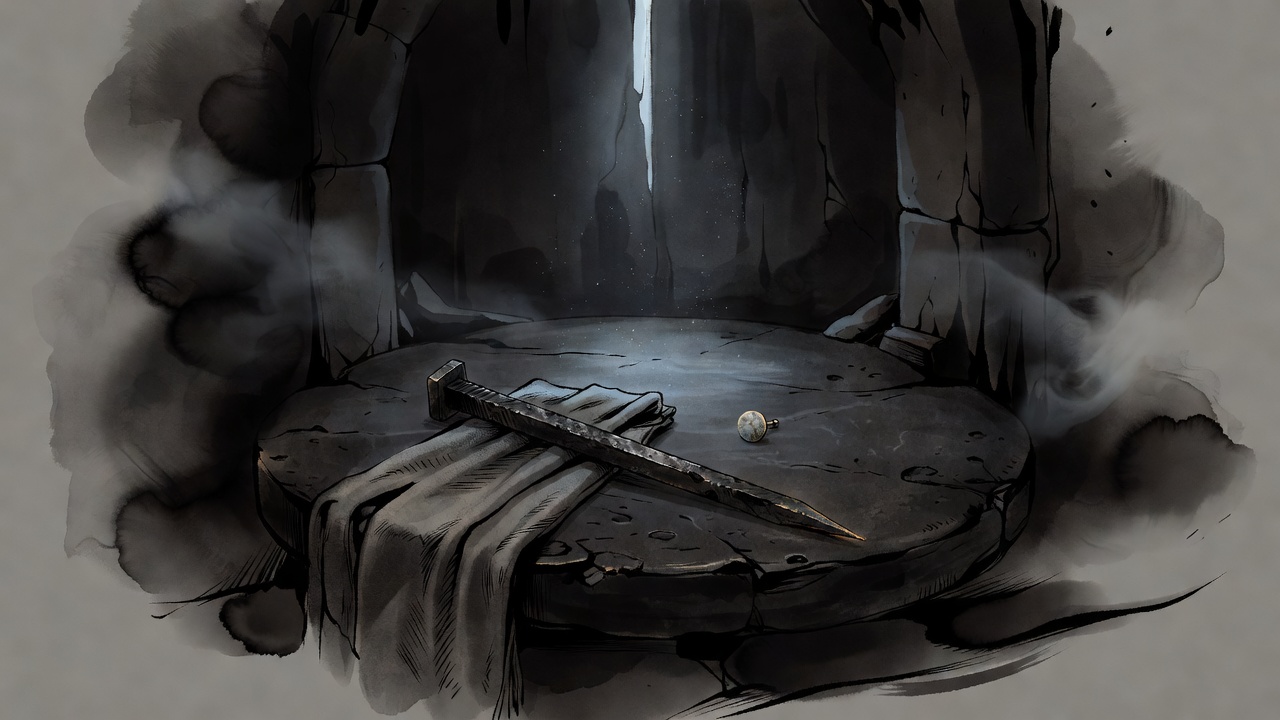
Hemalurgy is the art of Ruin, and it takes. A metal spike driven through one person at the right point tears a power or attribute out of them; driven into another, it grants that power, with some lost on the way. The Lord Ruler built his servants this way. Each Steel Inquisitor carries nine to eleven spikes, two of them hammered through the eyes, and sees by Allomantic lines; koloss are made from ordinary people with four iron spikes; kandra wake to thought with two, which they call Blessings.
Every spike is also a door. Ruin can whisper to anyone who carries one and, with enough of them, steer them: Vin’s earring, worn since childhood, is a spike, and so are the splinter in Spook and Marsh’s Inquisitor spikes. Ruin can also change any text that is not set in metal, which is why the warnings that matter in Era One are cut into steel. The art itself is only explained in The Hero of Ages, through its chapter epigraphs.
In Era Two, Harmony speaks to Wax through a Hemalurgic earring, and the Set, a secret society of nobles, spikes its own leaders — three spikes each, since a fourth would open them to Harmony’s control — and makes chimeras with single spikes of trellium, a red-spotted metal that hides its bearer from Harmony altogether.
The Shards
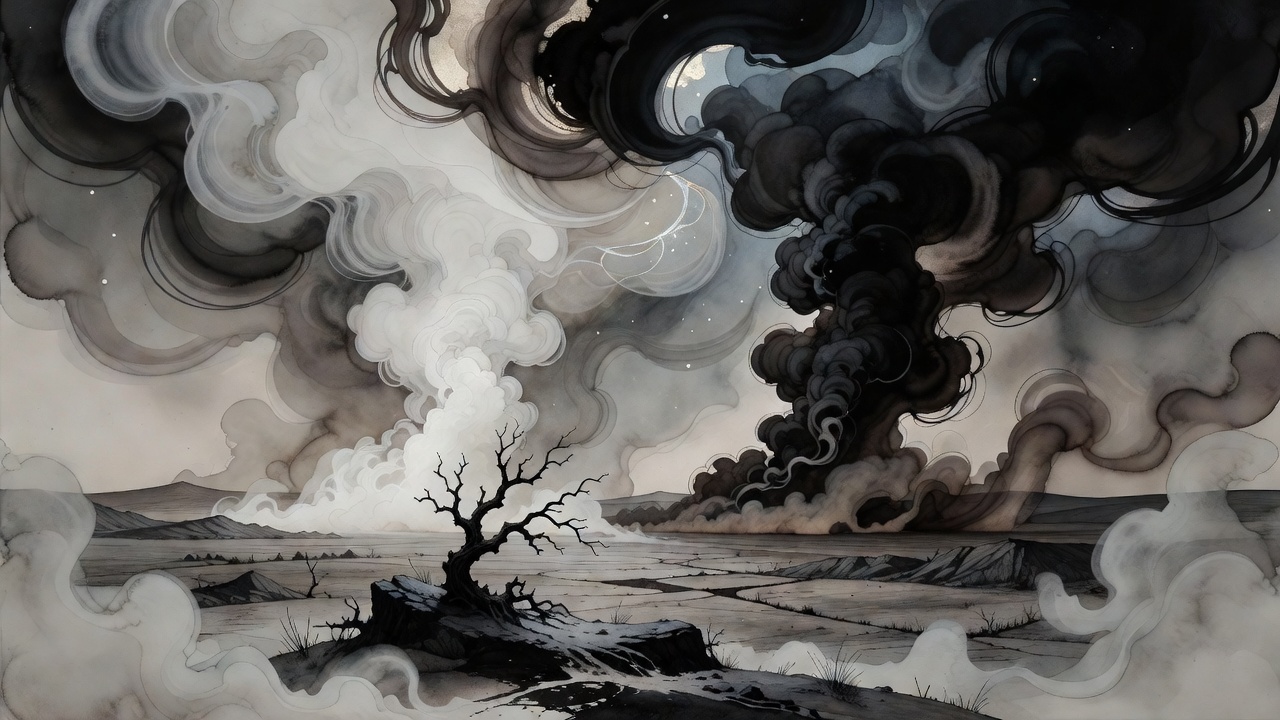
Preservation’s power is white, and on Scadrial it shows as the mists; Ruin’s is black, a churning smoke. Secret History gives their Vessels names, Leras and Ati, and faces. Each Shard also has a body of metal, and the plots turn on these god metals: atium, Ruin’s, mined only at the Pits of Hathsin, which shows its burner the next few seconds of everyone around them; malatium, the Eleventh Metal, an alloy of atium and gold that shows other people’s pasts; lerasium, Preservation’s, which makes whoever burns it a Mistborn; harmonium, which the South calls ettmetal and which explodes in water; and Autonomy’s trellium.
The Era One mists come every night, swirling around anyone burning metal and drawing back from the spiked. Preservation uses them to Snap latent Allomancers. From The Well of Ascension on they creep into the day, and some of those caught in them shake and die or fall sick; in The Hero of Ages a count shows that exactly sixteen percent fall sick, a number that is Preservation’s hint. His power pools in the Well of Ascension under the Lord Ruler’s palace, a glowing white pool of liquid metal that fills once every 1,024 years; Ruin’s gathers beneath the Pits of Hathsin.
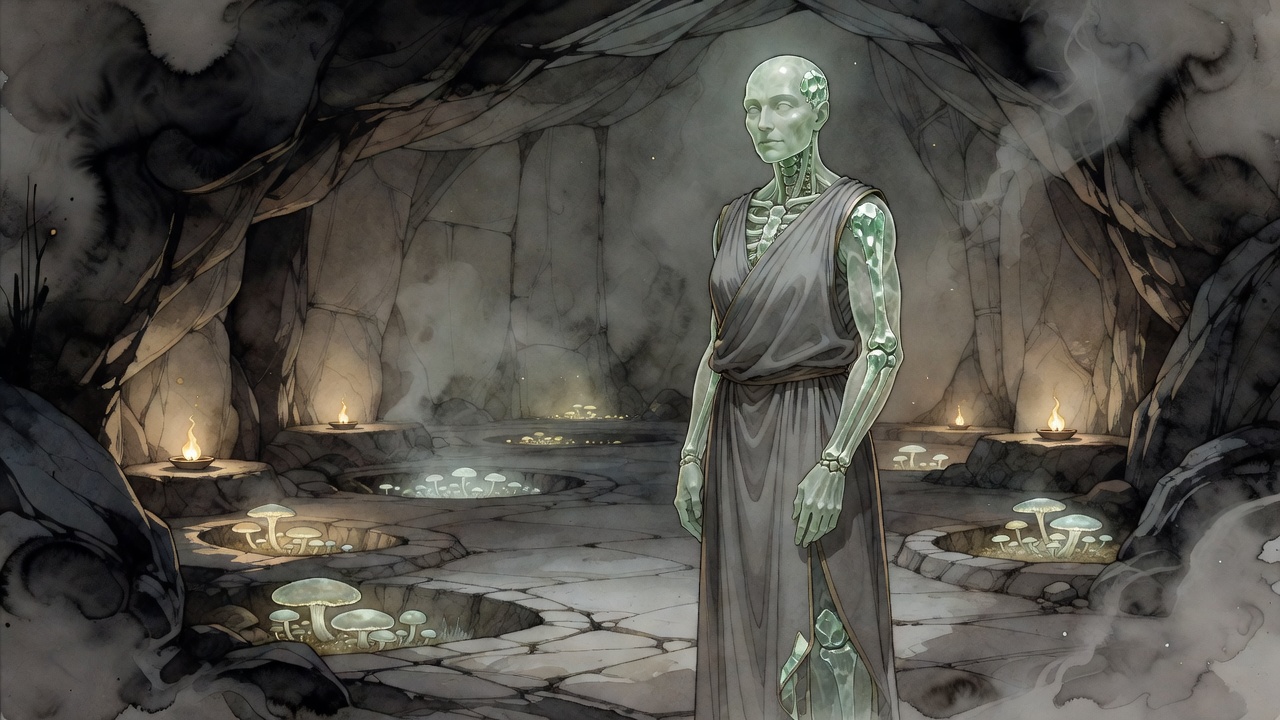
At the end of the trilogy Vin, holding Preservation, kills Ruin’s Vessel and dies with him, and Sazed takes up both Shards as Harmony. He is Era Two’s god: two kinds of mist, light and dark, that come only on some nights, and, when Wax stands before him in The Lost Metal, a serene figure in Terris robes, vast behind him two wings, one white and one black. He acts sparingly, through his kandra, his mists and the spikes that let him speak, and after Shadows of Self, where Wax learns what Harmony let happen to him in the Roughs, Wax hates him for what feels like betrayal. A third god presses in on Era Two: Autonomy, a Shard from another world, whom the Set worships as a male god, Trell, and whose hosts’ eyes glow red. After The Lost Metal she withdraws, meaning to return.
The Final Empire
The Final Empire fills the habitable north of Era One’s world: ten Dominances, from the Central, which holds the capital, to the Terris Dominance in the far north, roughly a hundred million people in all. Luthadel holds a couple of million and is the only city allowed a wall, with eight gates named for the basic metals. At its heart stands Kredik Shaw, the Hill of a Thousand Spires, the Lord Ruler’s palace, with the Well beneath it; around it the noble keeps rise like solitary mountains, their ballrooms walled in stained glass (Sanderson modelled Keep Venture on Washington National Cathedral), over packed skaa tenements. Canals carry the trade, and the Lord Ruler keeps the age frozen.
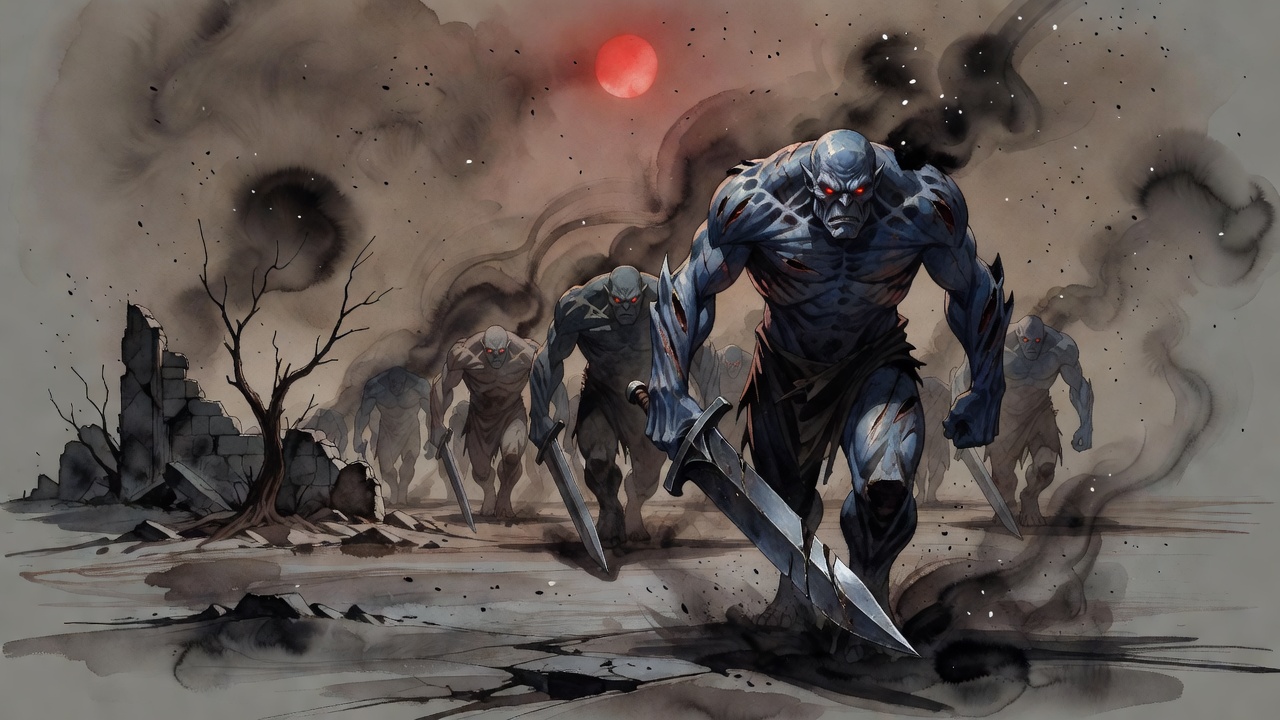
Nobles, taller and stronger, carry Allomancy in their blood and keep the Great Houses and their balls. The skaa, shorter and hardier, are worked like cattle on the plantations and fear the mists; in the cities they turn to crime, and the skaa underground’s thieving crews are where the trilogy begins. Over both stands the Steel Ministry, church and civil service at once, divided into Cantons — Finance, Resource, Orthodoxy and the Inquisition — and staffed by obligators with shaved heads and intricate tattoos around their eyes. Atium comes from the Pits of Hathsin, dug by condemned prisoners until they die; Kelsier’s scarred arms come from there. The Terris serve noble houses as stewards; the kandra hire out as spies and impostors under their Contract; the koloss march in the second and third books for whoever can control them, and at last for Ruin. After the Lord Ruler falls, Elend Venture tries an Assembly and then an empire, and the skaa worship Kelsier as the Survivor.
The Elendel Basin and beyond
Harmony built the Elendel Basin for the survivors: an almost perfectly circular valley ringed by mountains and open to the sea on the west, its soil never wearing out, its rivers running like spokes into the city at its heart. Elendel, on Hammondar Bay, is split into eight octants, each with its own constabulary, around the Hub, a ring of canals enclosing the Field of Rebirth, where the first survivors climbed out of the caverns after the Catacendre and where statues of the Ascendant Warrior and the Last Emperor — Vin and Elend — now stand. Outer cities such as Bilming, New Seran and Rashekin ring the Basin.
The trilogy’s survivors founded it. Spook, the Lord Mistborn, ruled for about a century before stepping down, and his street slang became the formal dialect, High Imperial. Survivorism worships Kelsier; the Path follows Harmony’s teachings but will not worship him; a few worship the wandering Marsh as Death. A Senate and a governor run the city.
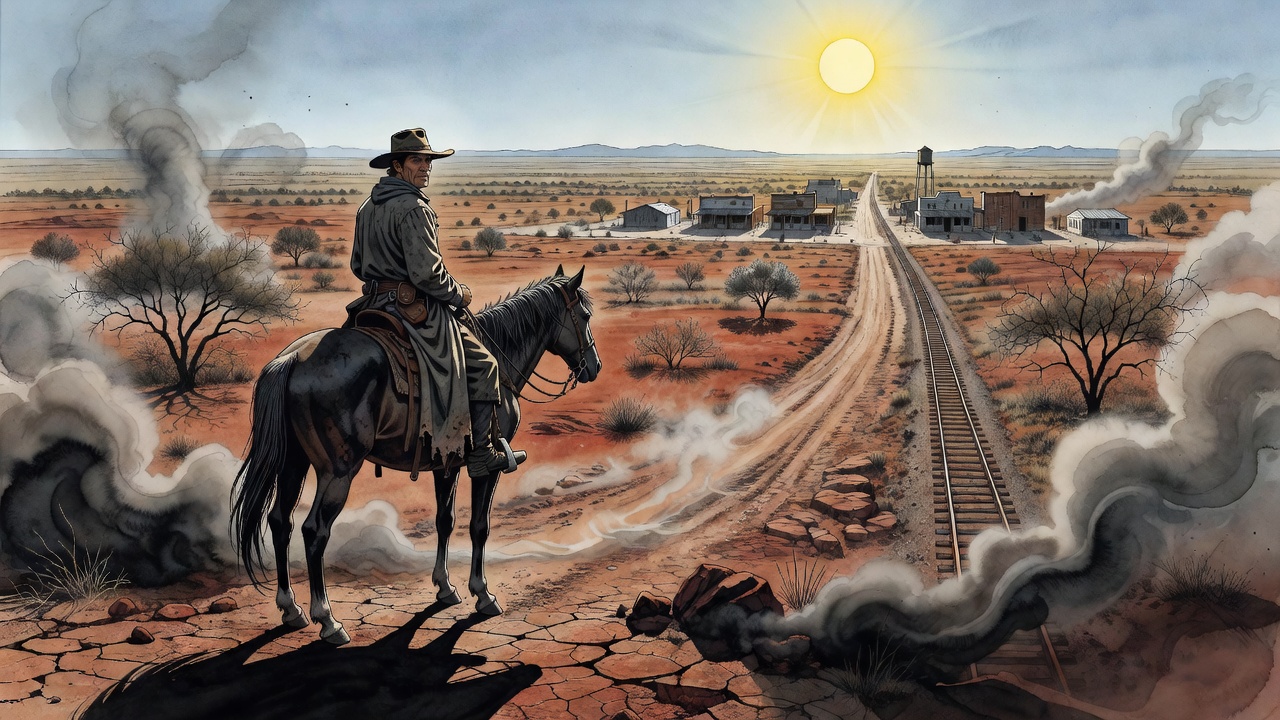
Beyond the passes lie the Roughs, a frontier of dry plains, rail lines, ghost towns and koloss clans. Far to the south lies a continent the Basin barely believes in until The Bands of Mourning. Rashek’s unaltered people lived there, adapted to heat, until the Catacendre brought the cold they call the Ice Death; Allik, a Malwish airman, puts it simply: “The land was soft and warm, and now it is harsh and broken and frozen.” They rebuilt as peoples known by their masks — the Malwish wear red ones that change with mood and profession — flying airships fuelled by ettmetal and wearing medallions, and twelve years after the Catacendre a stranger came among them as the Sovereign: Kelsier. By The Lost Metal the Malwish Consortium and the Basin are the world’s two great powers.
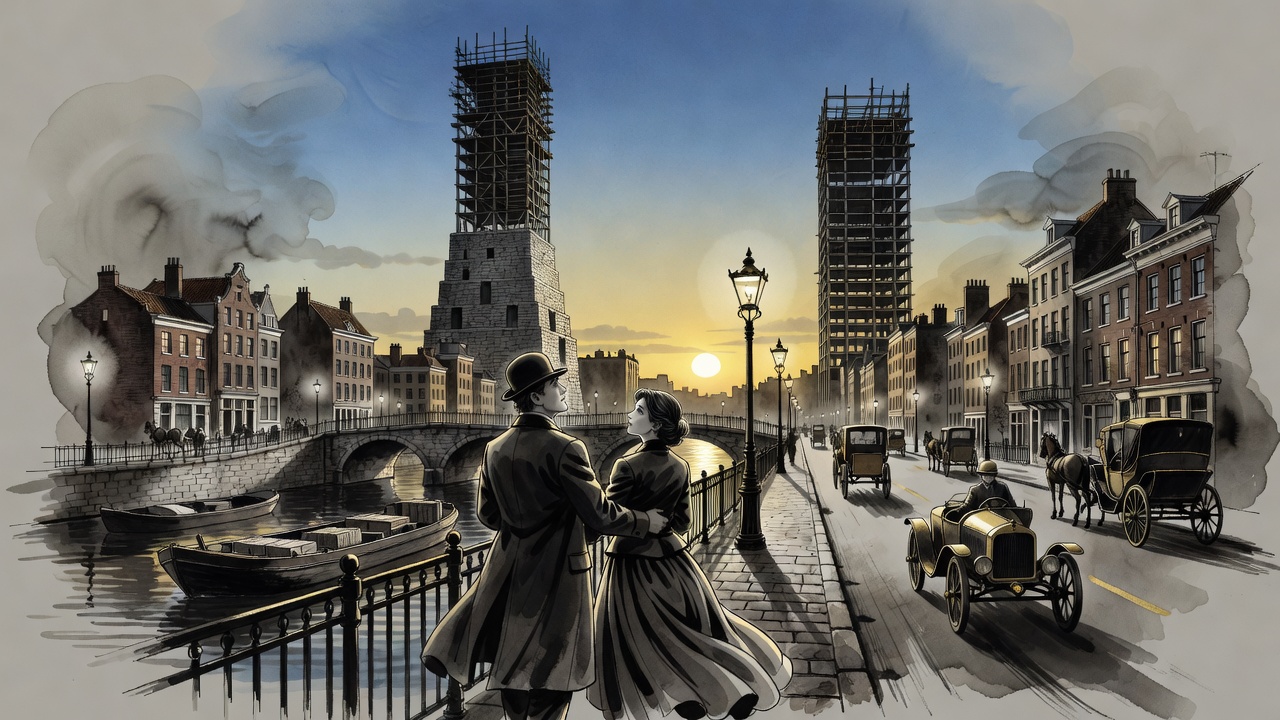
Technology moves fast. In The Alloy of Law (341 PC) electric light is new and horseless carriages rare; by The Bands of Mourning (342) motorcars are common and photographs have arrived; by The Lost Metal (348) motorcars are everywhere, skyscrapers crowd the skyline, radio has arrived (the Set alone has moving pictures, in a hidden theatre in Bilming), machine guns and artillery stand ready against the Malwish, and the Set is building a bomb of harmonium and trellium. Wax, looking over the city, puts it best: “Progress here was like a wrecking crew.”
Scadrial in the Cosmere
Scadrial is one world in Sanderson’s Cosmere, the universe most of his novels share, and the saga lets that show by degrees. The sixteen Shards came from a single god, Adonalsium, killed and broken apart; Autonomy belongs to another world; the scruffy beggar who keeps turning up, Hoid, travels between worlds, as do Secret History’s Khriss and Nazh; and in The Lost Metal Kelsier’s Ghostbloods turn out to reach across the Cosmere. Era Three, Ghostbloods, is set to move Elendel about fifty years on into an analog of the 1980s; Era Four is planned as space opera, with Allomancy powering faster-than-light travel.
The sixteen metals
| Metal | Allomancy | Feruchemy | Hemalurgy |
|---|---|---|---|
| Iron | Pulls on nearby metals (Lurcher) | Stores weight (Skimmer) | Steals strength |
| Steel (iron alloy) | Pushes on nearby metals (Coinshot) | Stores physical speed (Steelrunner) | Steals physical Allomantic powers |
| Tin | Sharpens the senses (Tineye) | Stores the senses (Windwhisperer) | Steals senses |
| Pewter (tin alloy) | Strengthens the body (Thug, or Pewterarm) | Stores strength (Brute) | Steals physical Feruchemical powers |
| Zinc | Inflames, or Riots, emotions (Rioter) | Stores mental speed (Sparker) | Steals emotional fortitude |
| Brass (zinc alloy) | Dampens, or Soothes, emotions (Soother) | Stores warmth (Firesoul) | Steals cognitive Feruchemical powers |
| Copper | Hides Allomantic pulses in a coppercloud (Smoker) | Stores memories (Archivist) | Steals mental fortitude, memory and intelligence |
| Bronze (copper alloy) | Hears Allomantic pulses (Seeker) | Stores wakefulness (Sentry) | Steals mental Allomantic powers |
| Aluminum | Wipes the burner’s own metal reserves (Aluminum Gnat) | Stores Identity (Trueself) | Removes all powers |
| Duralumin (aluminum alloy) | Enhances the metals being burned, in one burst (Duralumin Gnat) | Stores Connection (Connector) | Steals Connection or Identity |
| Chromium | Wipes a target’s metal reserves (Leecher) | Stores fortune (Spinner) | Might steal destiny |
| Nicrosil (chromium alloy) | Enhances a target’s burning (Nicroburst) | Stores Investiture (Soulbearer) | Steals Investiture |
| Gold | Shows a past self (Augur) | Stores health (Bloodmaker) | Steals hybrid Feruchemical powers |
| Electrum (gold alloy) | Shows one’s own future (Oracle) | Stores determination (Pinnacle) | Steals enhancement Allomantic powers |
| Cadmium | Slows time inside a bubble (Pulser) | Stores breath (Gasper) | Steals temporal Allomantic powers |
| Bendalloy (cadmium alloy) | Speeds time inside a bubble (Slider) | Stores energy (Subsumer) | Steals spiritual Feruchemical powers |
When the metals arrive
- The Final Empire: the eight basic metals, gold and atium; aluminum by the end, and the Eleventh Metal. Feruchemy (Sazed) and Hemalurgy (the Inquisitors) are glimpsed, not explained.
- The Well of Ascension: duralumin, and with it the power to seize kandra and koloss through emotional Allomancy; the Eleventh Metal named as malatium; the bead beside the Well that makes Elend a Mistborn (lerasium, named later).
- The Hero of Ages: electrum; Hemalurgy explained; the mists Snapping new Mistings; sixteen metals in all.
- The Alloy of Law: bendalloy and cadmium bubbles; the Twinborn; Compounding gold; aluminum bullets and hats.
- Shadows of Self: Hemalurgy returns — Wax’s earring, kandra Blessings, chimeras, and a red-spotted spike Harmony cannot name.
- The Bands of Mourning: unkeyed and unsealed metalminds, the South’s medallions, ettmetal, and the Bands themselves.
- Secret History: the Eleventh Metal, which Ruin claims was his ruse, and the two last beads of lerasium at the Well.
- The Lost Metal: trellium and harmonium, and a bomb made of both; traces of atium and lerasium come back into the world.
Era One to Era Two
- The sky: ash, a red sun and brown plants until the Catacendre at the end of The Hero of Ages; a blue sky, a yellow sun and green plants after it.
- The mists: every night in Era One, creeping into the day from The Well of Ascension on; only some nights in Era Two, in two kinds, light and dark.
- The gods: Preservation and Ruin in Era One; Harmony, holding both, in Era Two, with Autonomy pressing in by The Bands of Mourning.
- The metals: ten known to most people in the Final Empire; sixteen on the Era Two table. Atium and lerasium are gone after the Catacendre, apart from traces in The Lost Metal.
- The people: Mistborn run in noble families in Era One and are legends in Era Two, where Mistings are commoner and the Twinborn appear.
- Kandra and koloss: spies under Contract become the Faceless Immortals, Harmony’s agents; the Lord Ruler’s army becomes clans in the Roughs.
- The map: the Final Empire and Luthadel give way to the Elendel Basin, whose cities take names from Era One: Elendel, Rashekin, Doxonar.